Web
Frontend & Web
UI frameworks, 3D web, and shader work
React / Next.js
TypeScript
Three.js
React Three Fiber
GLSL Shaders
Master's student at Indiana University Bloomington specializing in AR/XR engineering and full-stack development. I build immersive spatial experiences and scalable applications, turning complex ideas into reliable, high-impact products.
I've always been fascinated by how people interact with technology, especially when it feels natural, immersive, and human. That curiosity led me into AR/XR and spatial computing, where I focus on building experiences that blend strong engineering with intuitive design. As a Master's student in Computer Science at Indiana University Bloomington, I've built immersive applications and scalable full-stack systems using C#, Unity, React, and modern 3D web technologies.
Along the way I've developed cross-platform C# applications across multiple device configurations, implemented automated testing and debugging workflows, and shipped production-ready systems built for reliability. What drives me most is shaping the future of spatial interaction creating AR/VR experiences that are not only innovative, but intuitive, dependable, and ready for real-world impact.
Where I am investing most of my engineering and design energy.
The academic path supporting my work in XR, AI, and software systems.
Indiana University Bloomington
GPA 3.83 / 4.0Savitribai Phule Pune University
GPA 8.83 / 10.0Selected credentials across cloud, machine learning, security, and databases.
Explore The
Spatial Build
Grid
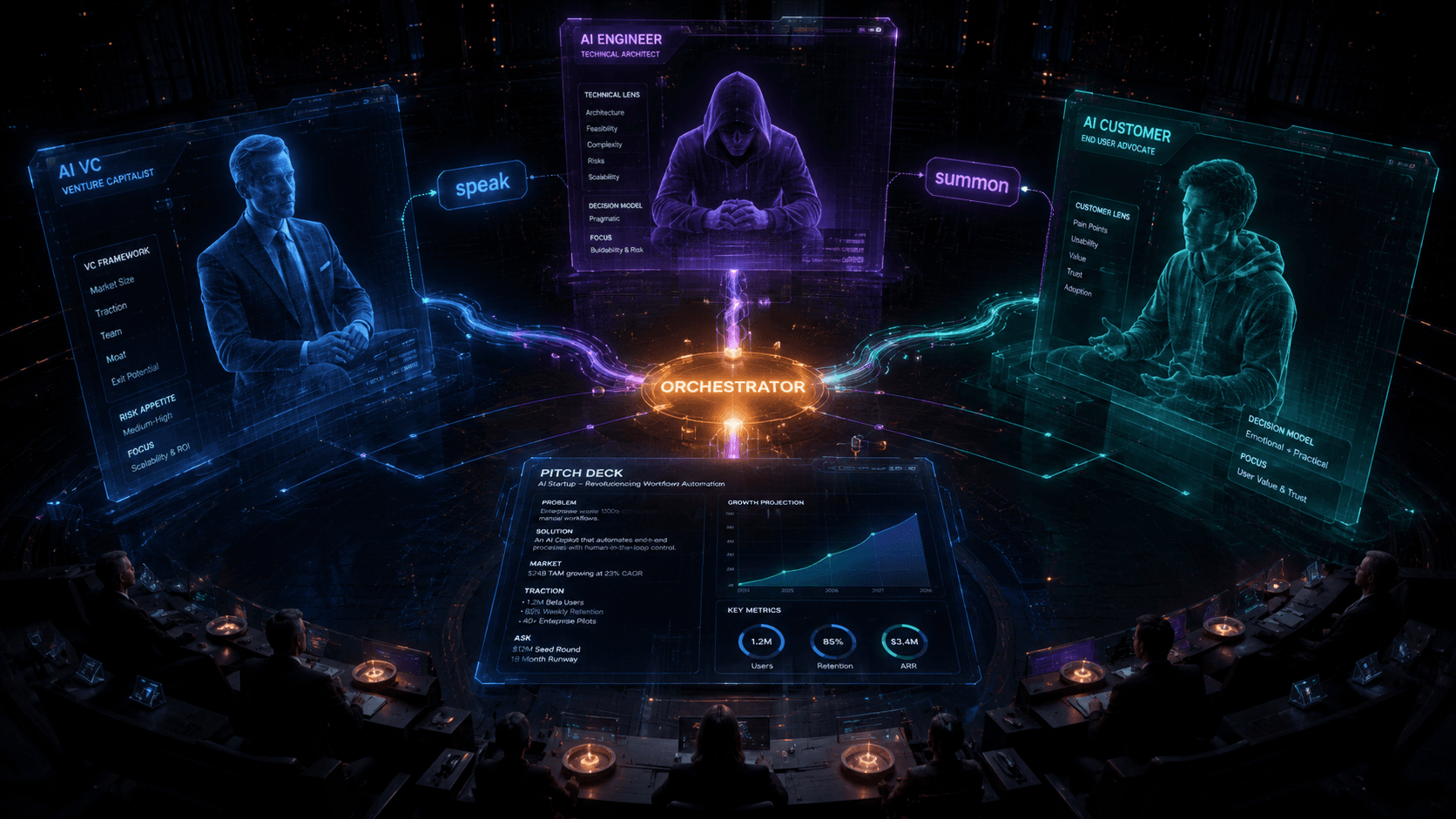
A multi-agent AI debate platform that stress-tests startup pitches against a society of adversarial AI personas — VC, Engineer, and Customer — orchestrated live by an LLM with 18 domain specialists on call.
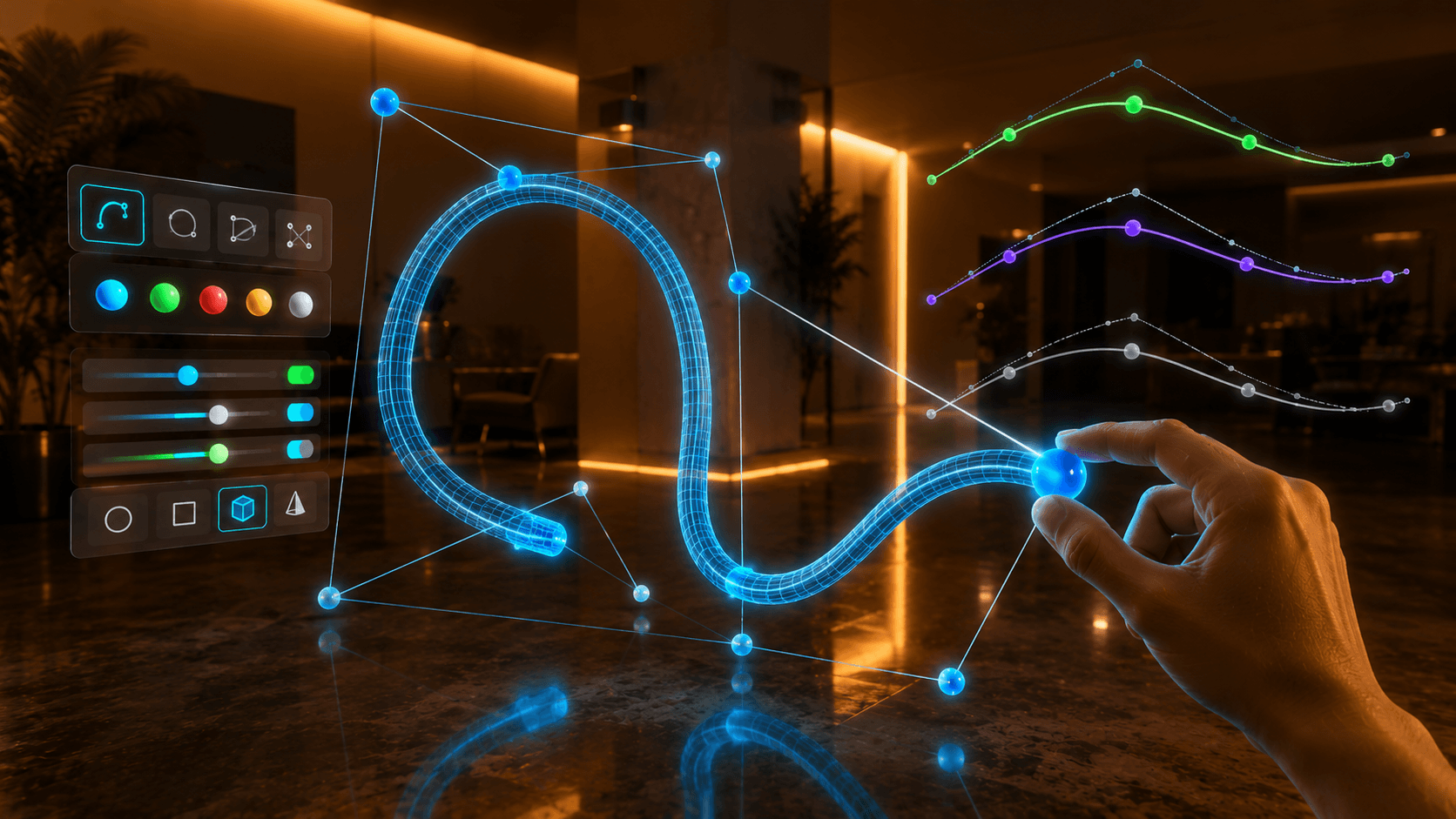
An interactive Meta Quest 3 XR application for creating and sculpting Bezier, Catmull-Rom, and B-Spline curves in AR space using hand tracking and controller input.
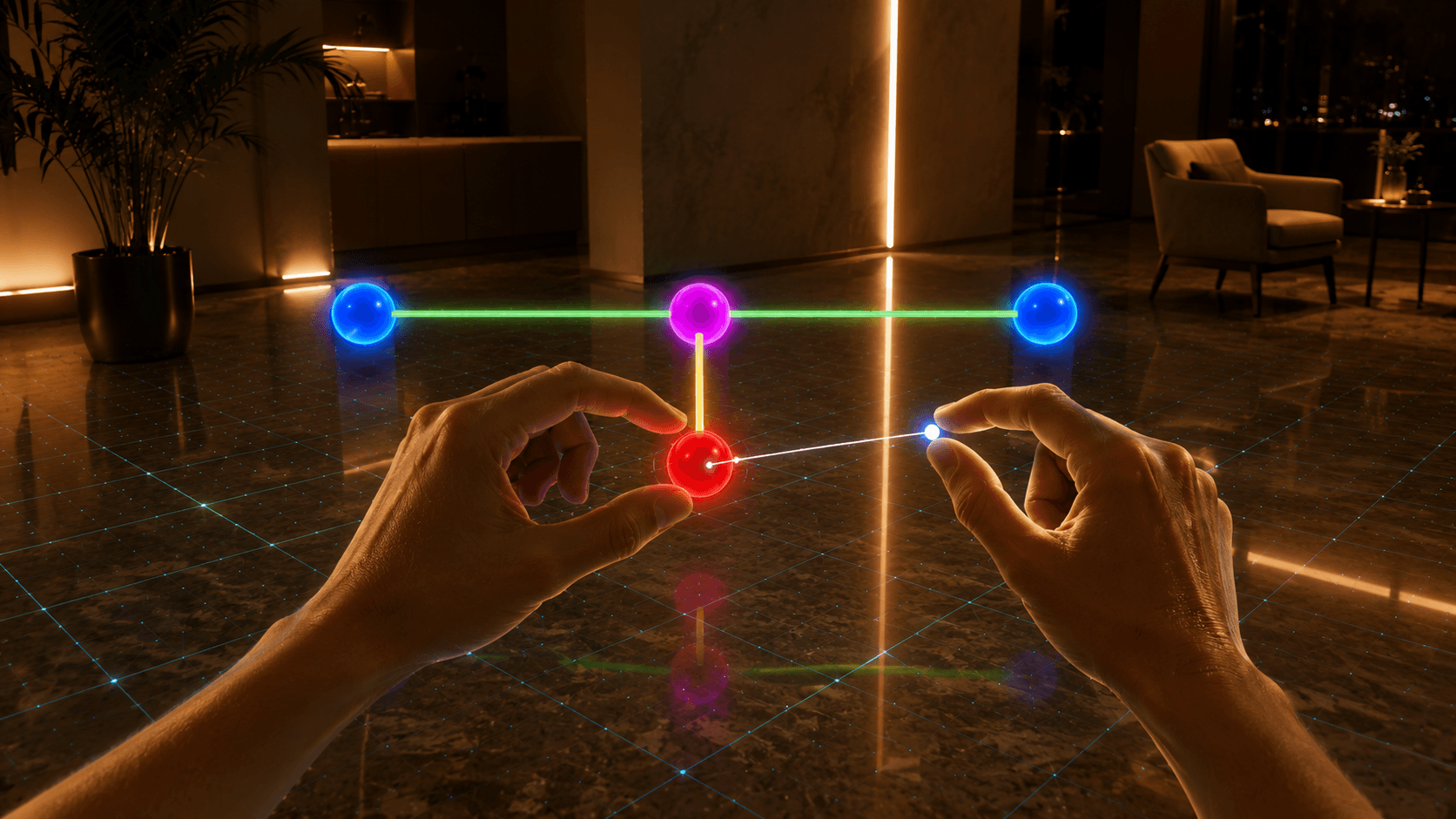
A cross-platform AR/XR application that projects geometric shapes onto real-world surfaces across iOS, Android, and Meta Quest 3 using a unified interaction model.
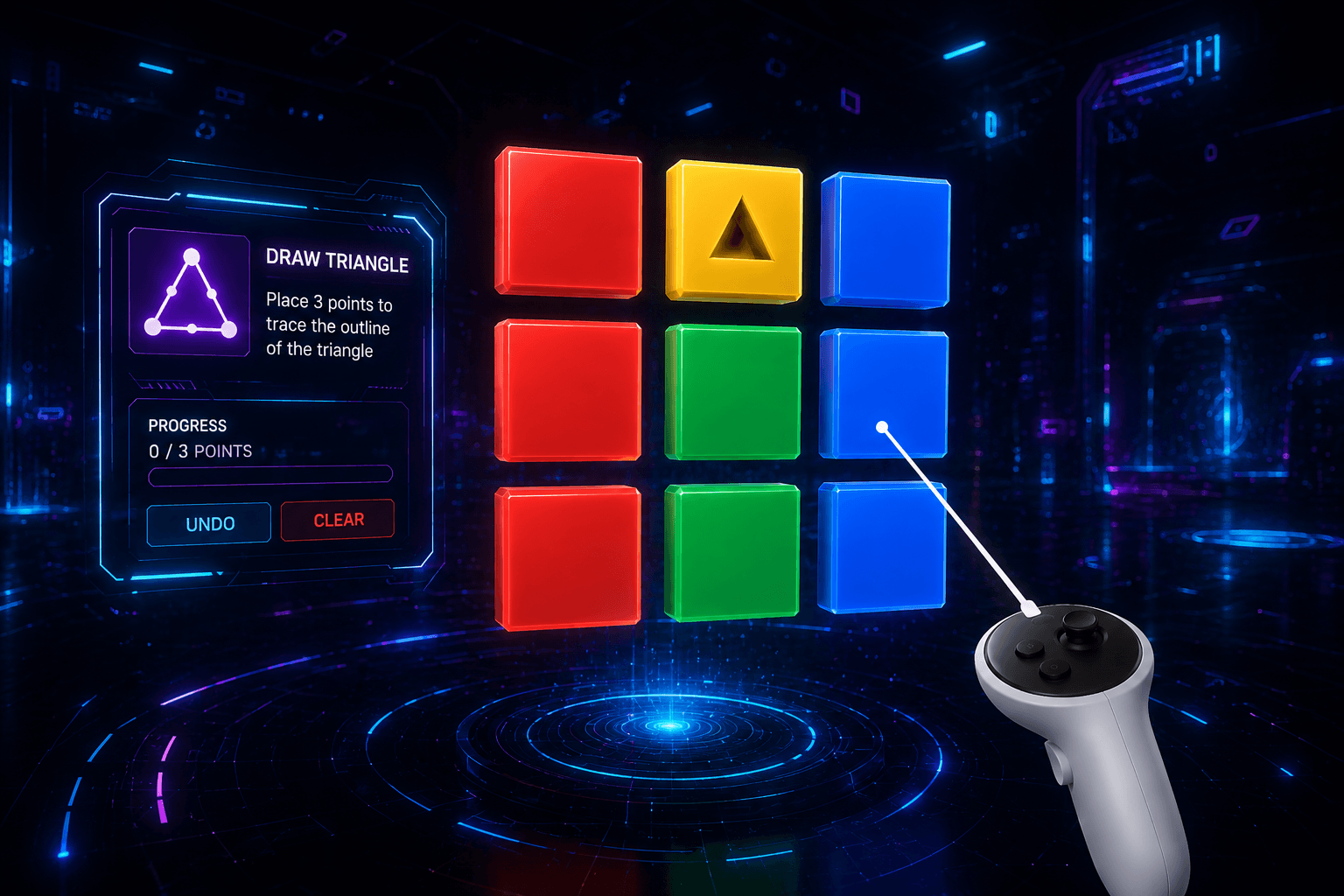
A mixed-reality puzzle game for Meta Quest 3 where players draw geometric shapes in mid-air, extrude them into 3D objects, and solve spatial placement challenges in augmented reality.

A full-stack platform for simulating configurable Db2 workloads, streaming live execution logs, and benchmarking database reliability under smoke, regression, and stress scenarios.
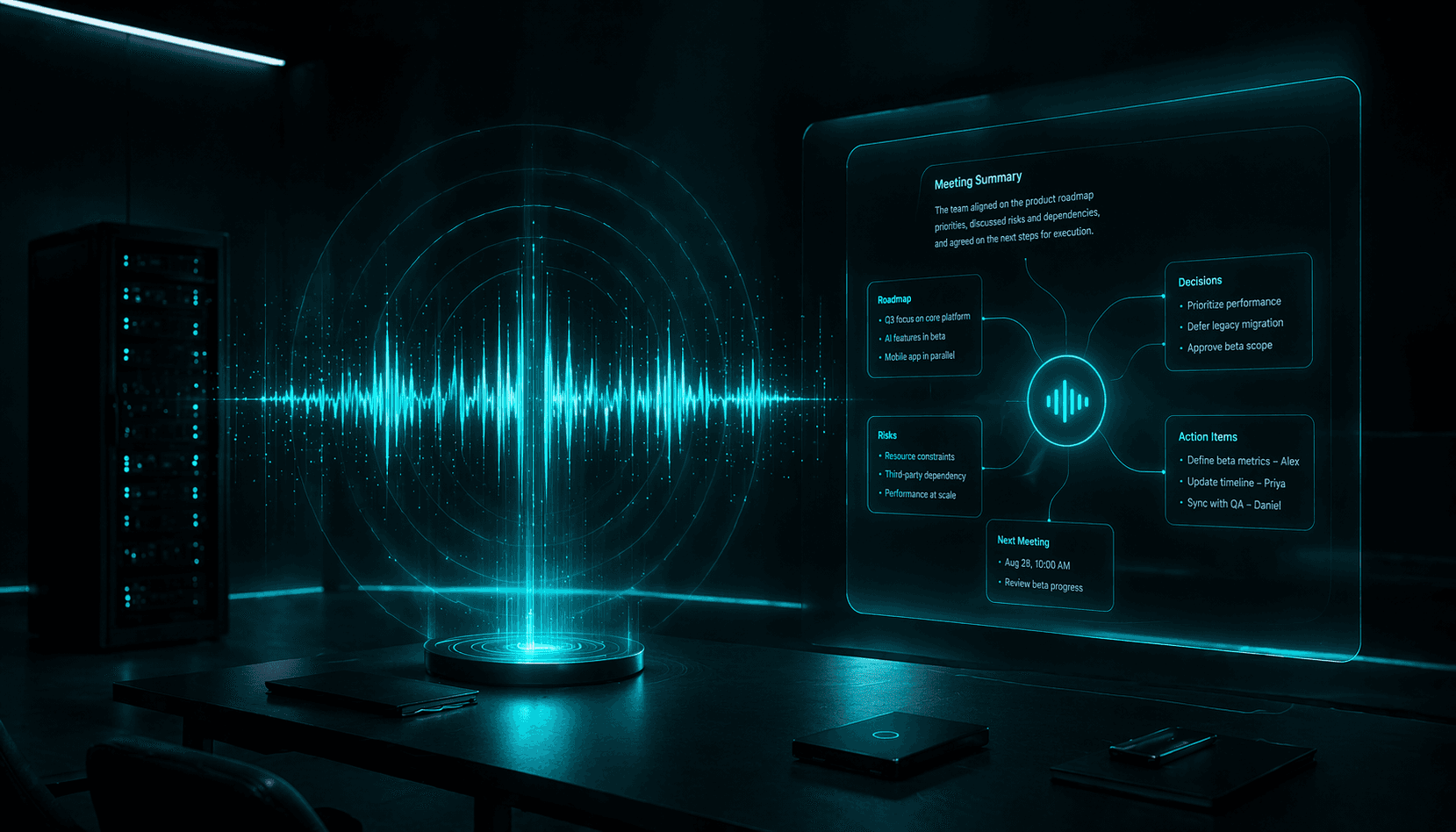
A privacy-first local AI meeting platform that transcribes audio, extracts decisions and action items, and supports RAG chat without relying on cloud APIs.
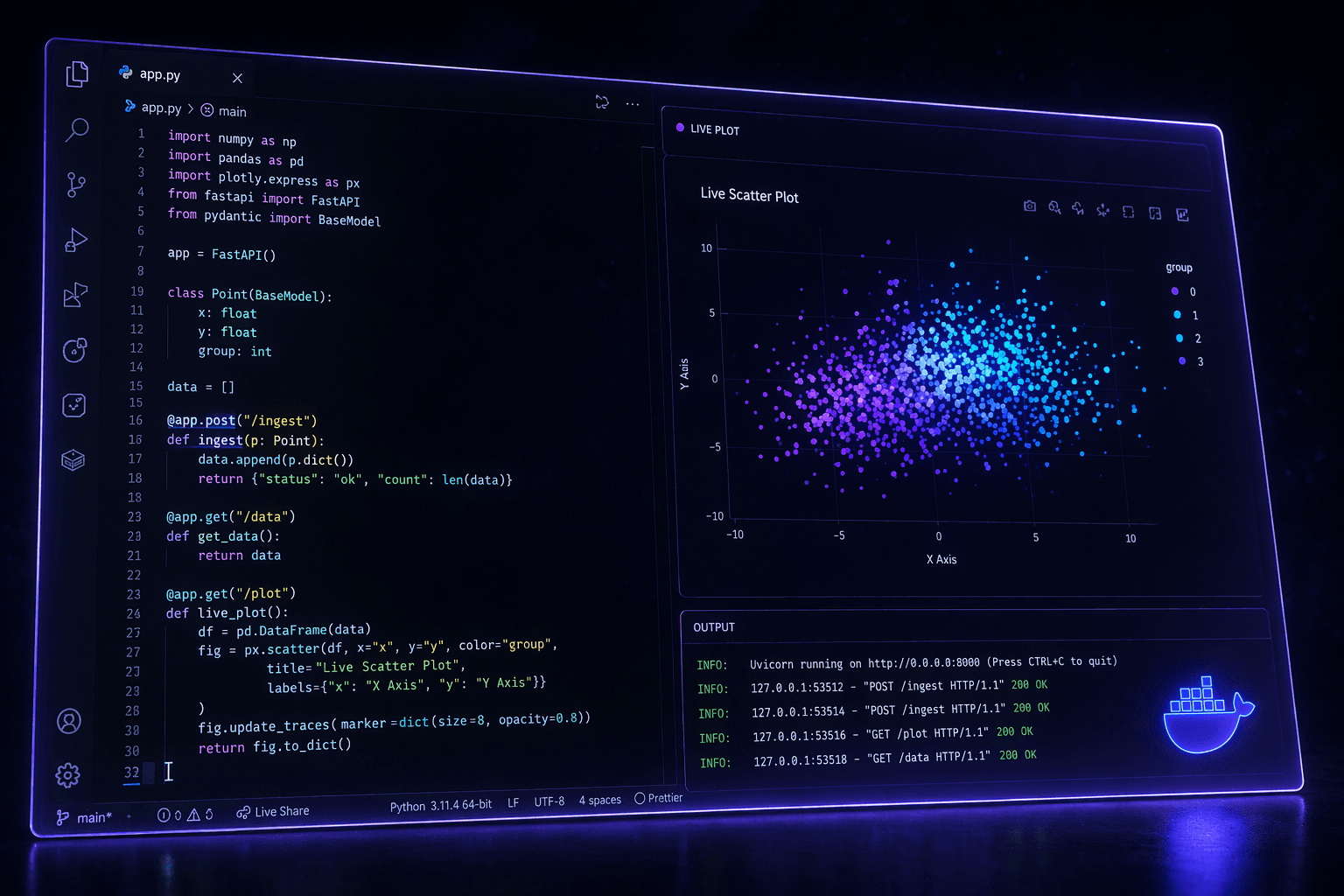
A browser-based coding and visualization workspace for running Python and R in secure Docker containers with live plotting and multi-user support.
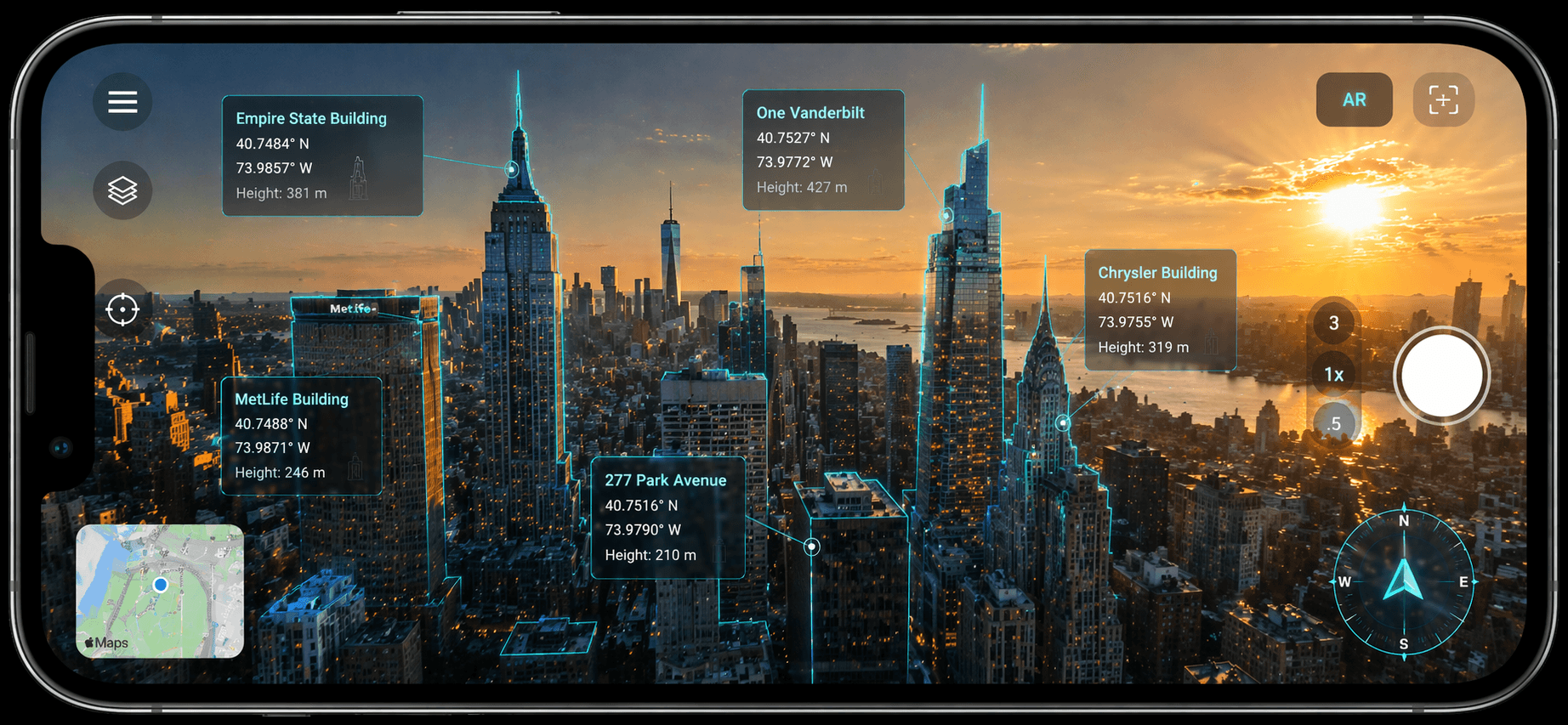
A geolocation-aware iOS AR app that aligns nearby buildings in real time using sensor fusion, OpenStreetMap data, and camera-forward filtering.
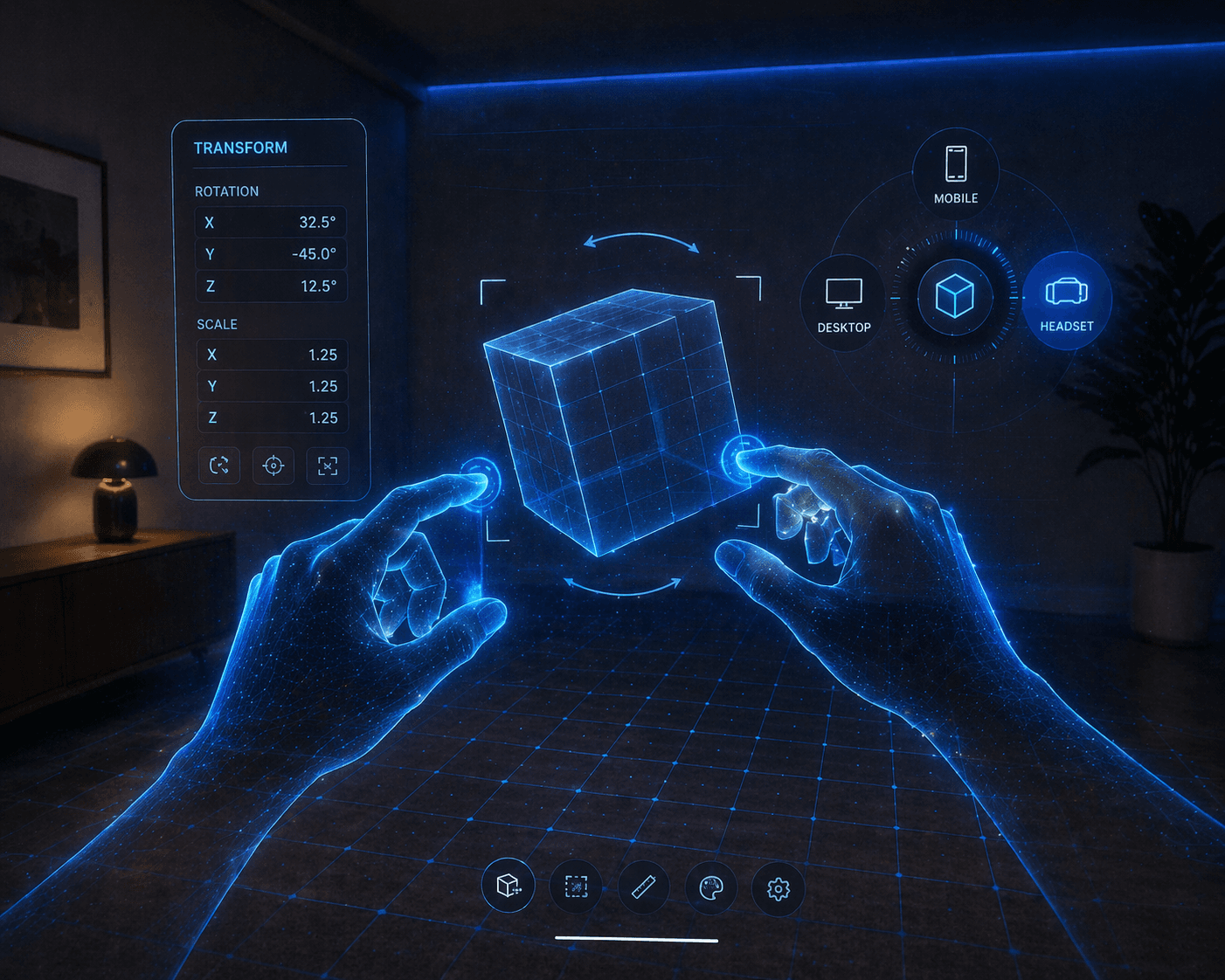
A cross-platform spatial interaction framework supporting desktop simulation, mobile AR, and Meta Quest input patterns with shared real-time UI coordination.
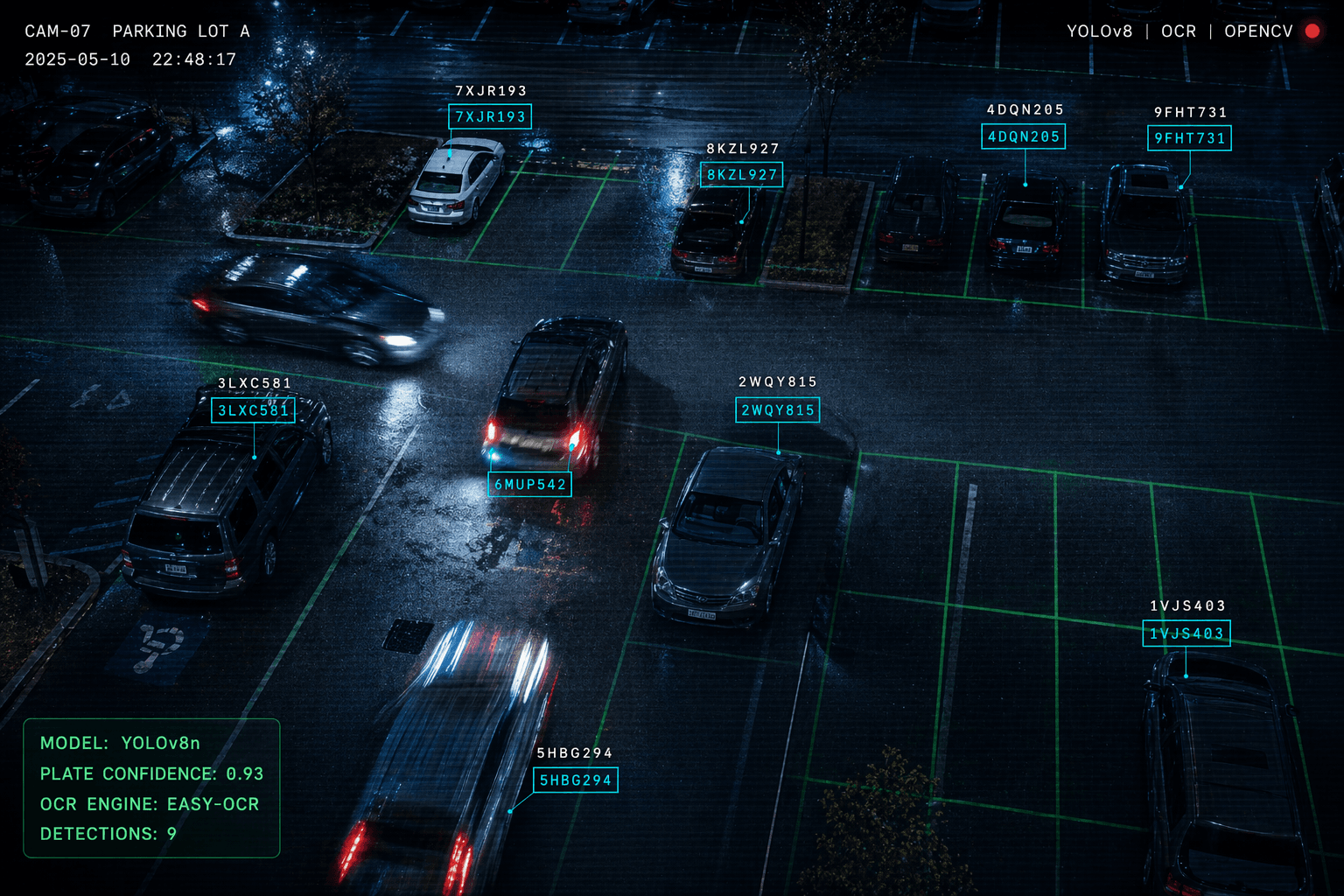
An AI-powered parking system using YOLOv8, OpenCV, and OCR to detect and read license plates in real time for automated vehicle management.
A multi-agent AI debate platform that stress-tests startup pitches against a society of adversarial AI personas — VC, Engineer, and Customer — orchestrated live by an LLM with 18 domain specialists on call.
An interactive Meta Quest 3 XR application for creating and sculpting Bezier, Catmull-Rom, and B-Spline curves in AR space using hand tracking and controller input.
A cross-platform AR/XR application that projects geometric shapes onto real-world surfaces across iOS, Android, and Meta Quest 3 using a unified interaction model.
A mixed-reality puzzle game for Meta Quest 3 where players draw geometric shapes in mid-air, extrude them into 3D objects, and solve spatial placement challenges in augmented reality.
A full-stack platform for simulating configurable Db2 workloads, streaming live execution logs, and benchmarking database reliability under smoke, regression, and stress scenarios.
A privacy-first local AI meeting platform that transcribes audio, extracts decisions and action items, and supports RAG chat without relying on cloud APIs.
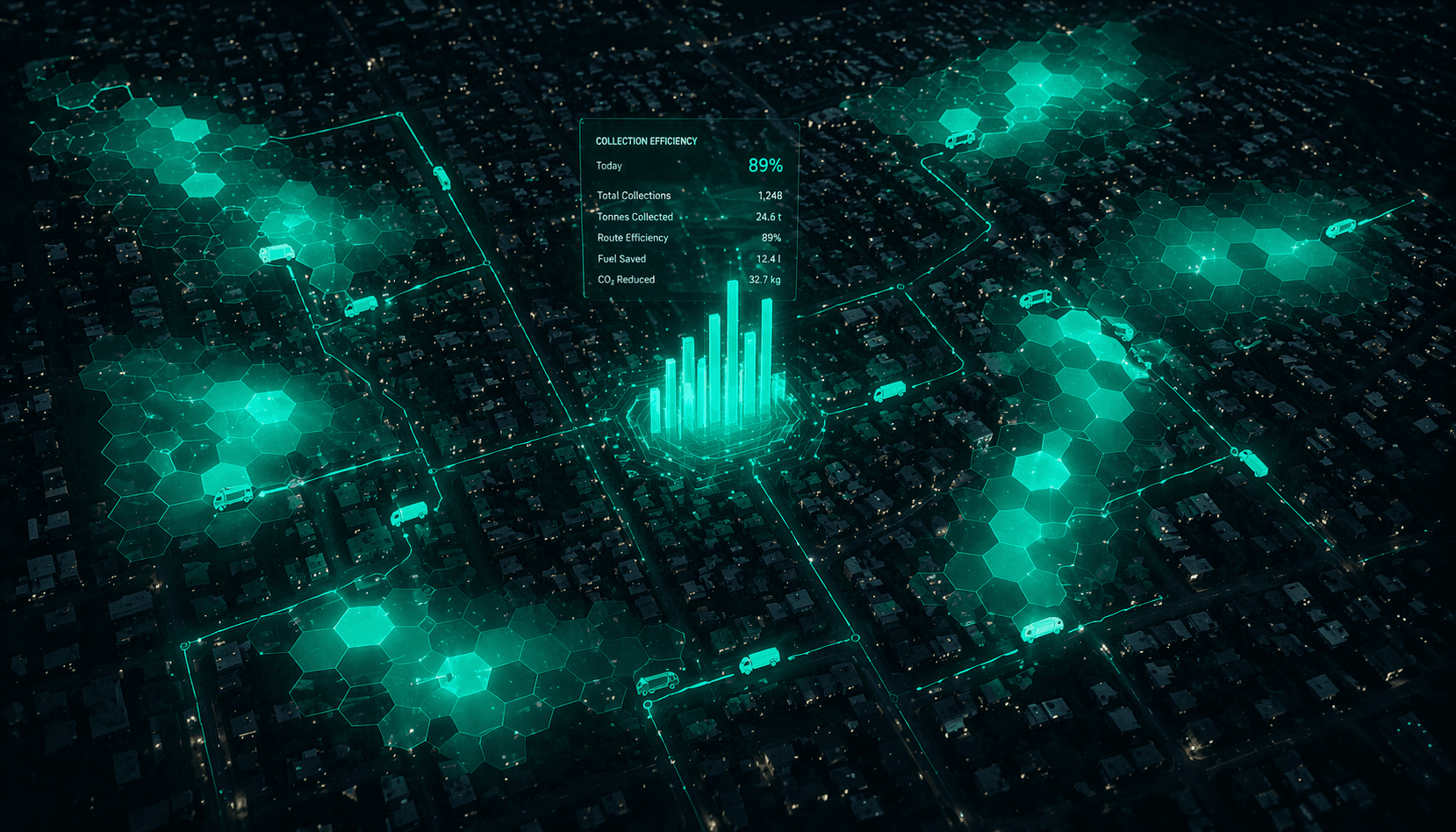
An interactive civic analytics dashboard visualizing Bloomington waste requests, service hotspots, monthly trends, and category-specific demand patterns.
A browser-based coding and visualization workspace for running Python and R in secure Docker containers with live plotting and multi-user support.
A geolocation-aware iOS AR app that aligns nearby buildings in real time using sensor fusion, OpenStreetMap data, and camera-forward filtering.
A cross-platform spatial interaction framework supporting desktop simulation, mobile AR, and Meta Quest input patterns with shared real-time UI coordination.
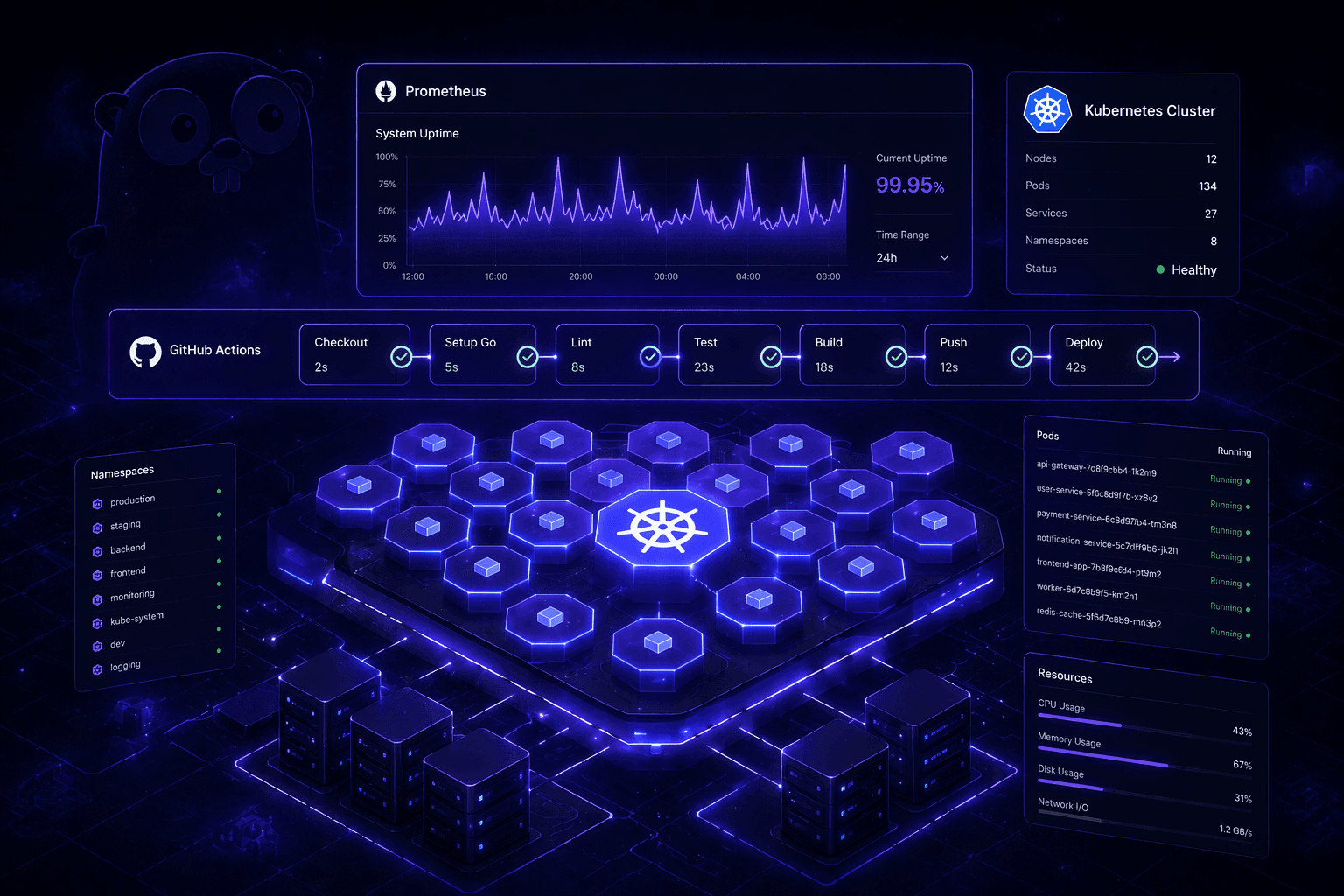
A cloud-native governance system for validating specifications, enforcing security policy, and managing Kubernetes-based private-cloud deployments.

A computer graphics project featuring procedural crystal generation, custom shaders, real-time lighting, and an interactive navigation HUD.
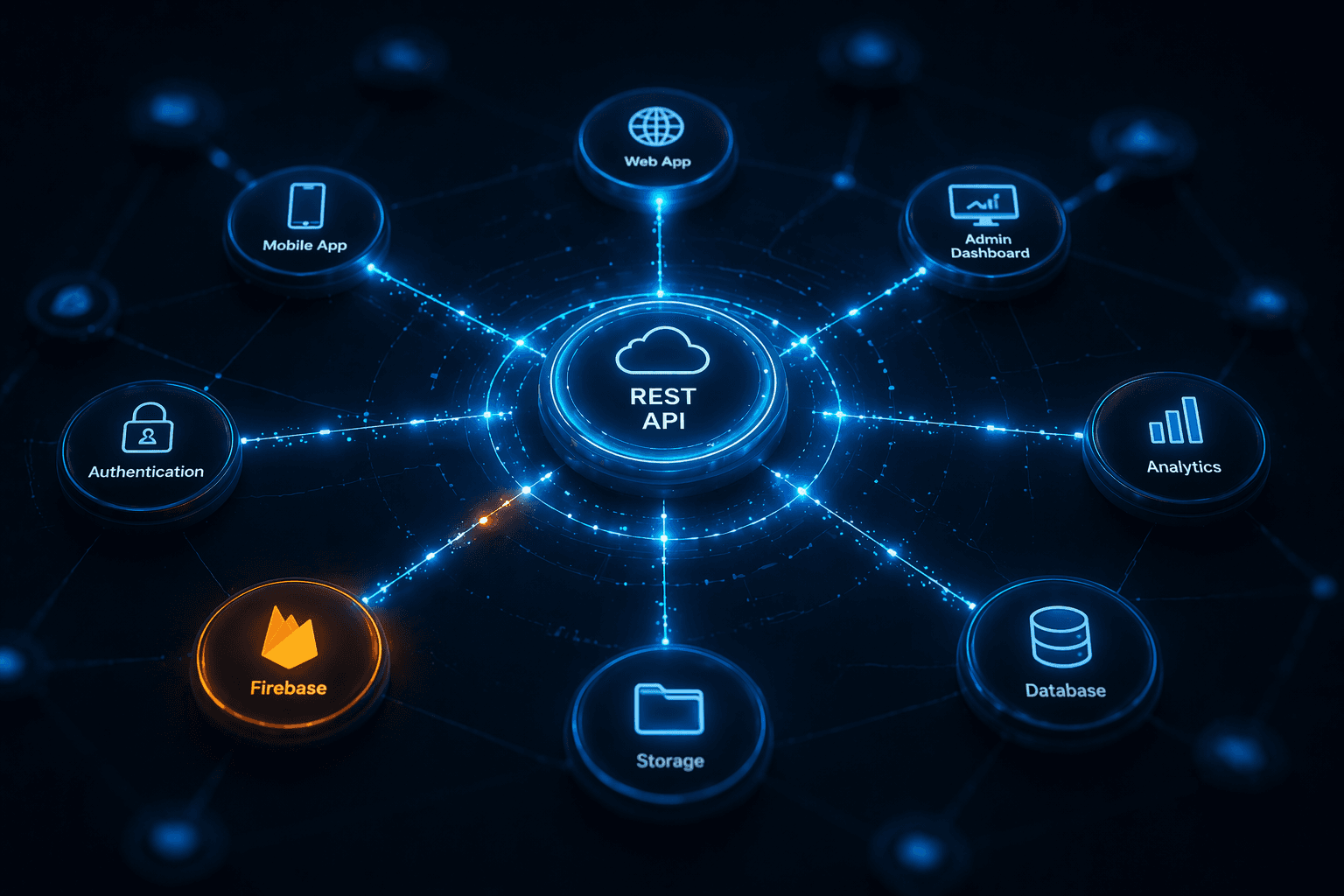
A REST API for centralizing product and repository contact ownership, reducing internal search time and improving cross-team communication.
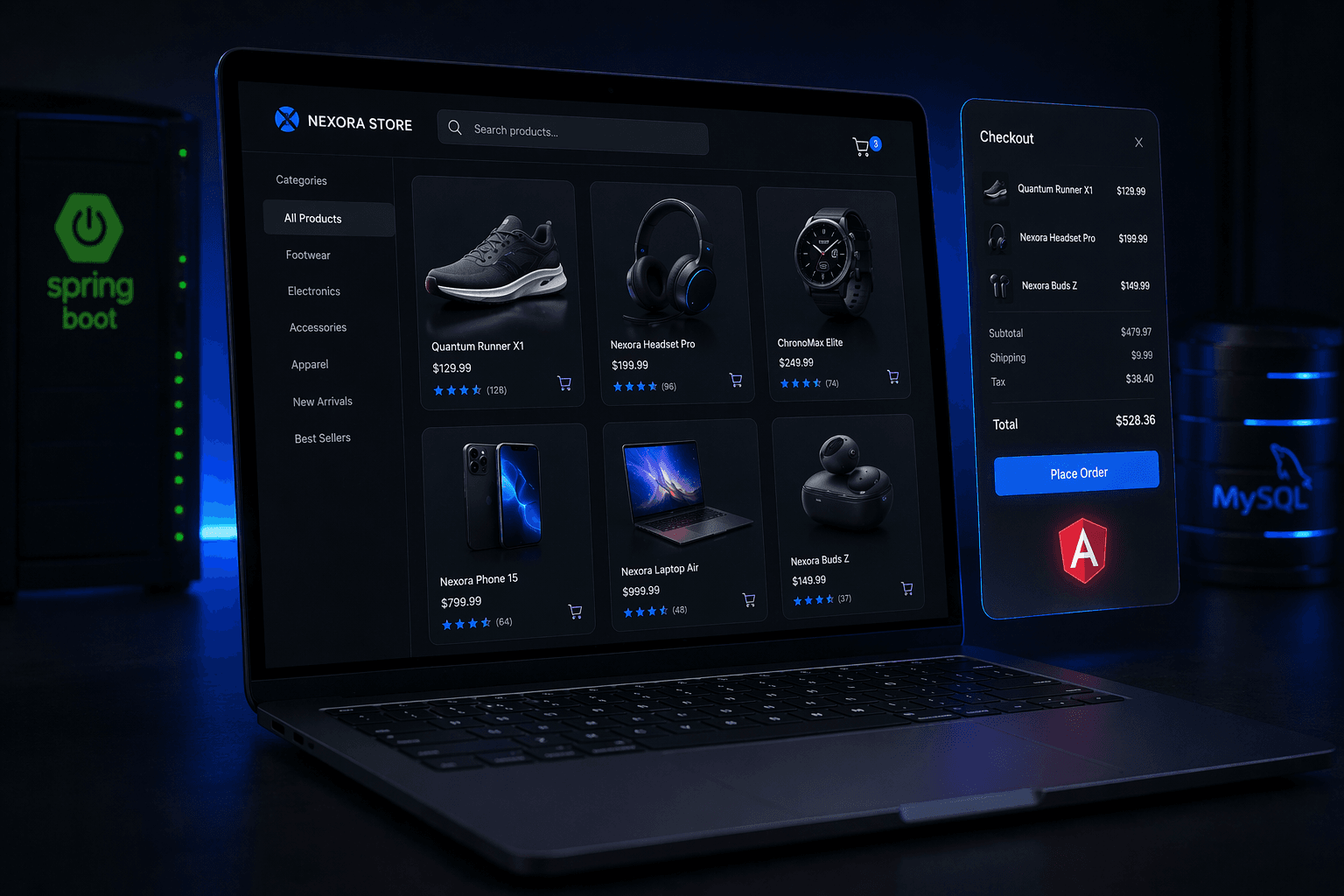
A full-stack e-commerce experience with an Angular frontend, Spring Boot backend, and MySQL-driven order and customer management.
An AI-powered parking system using YOLOv8, OpenCV, and OCR to detect and read license plates in real time for automated vehicle management.
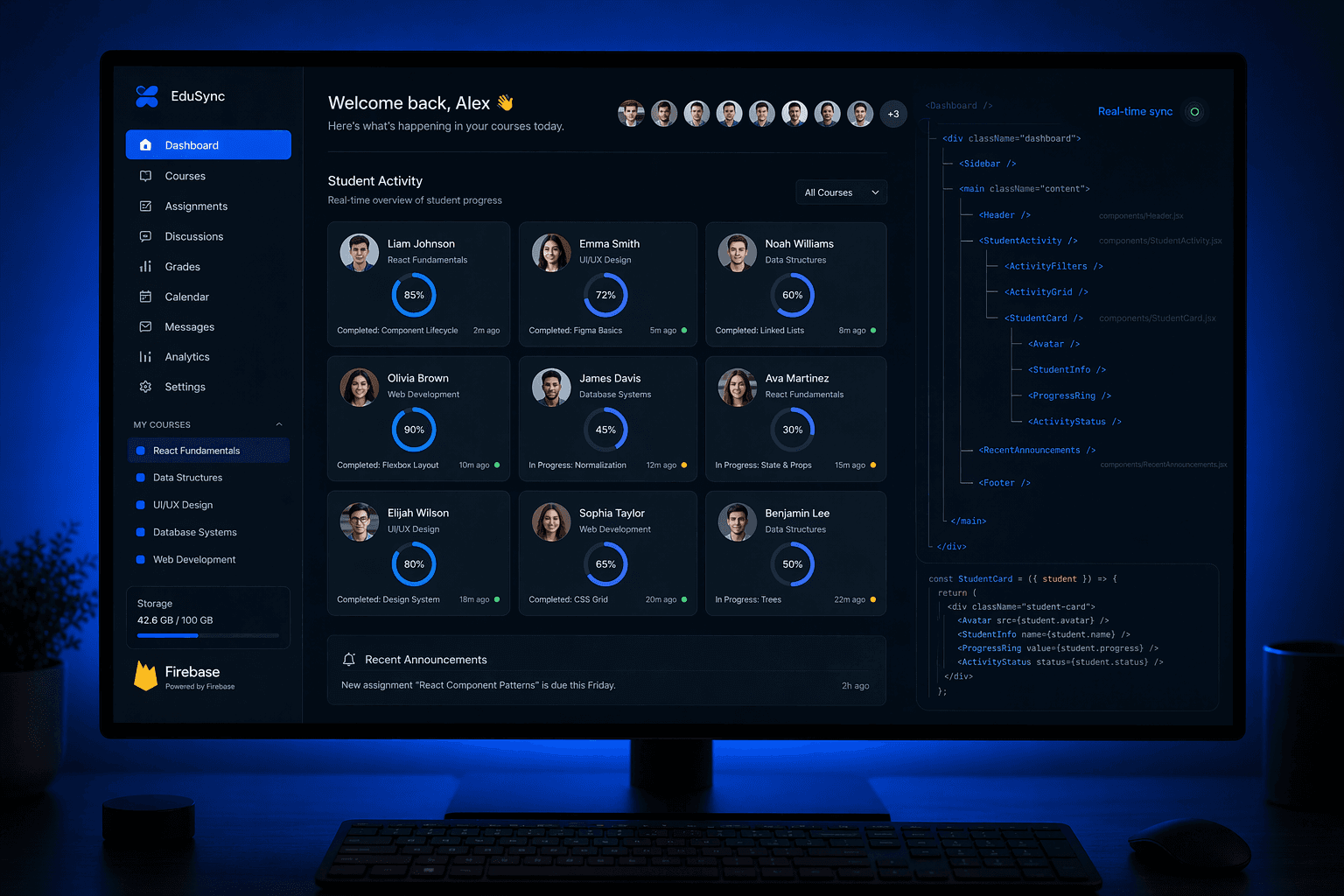
A React-based LMS with Firebase-backed authentication and real-time data, designed and delivered for more than 50 users.
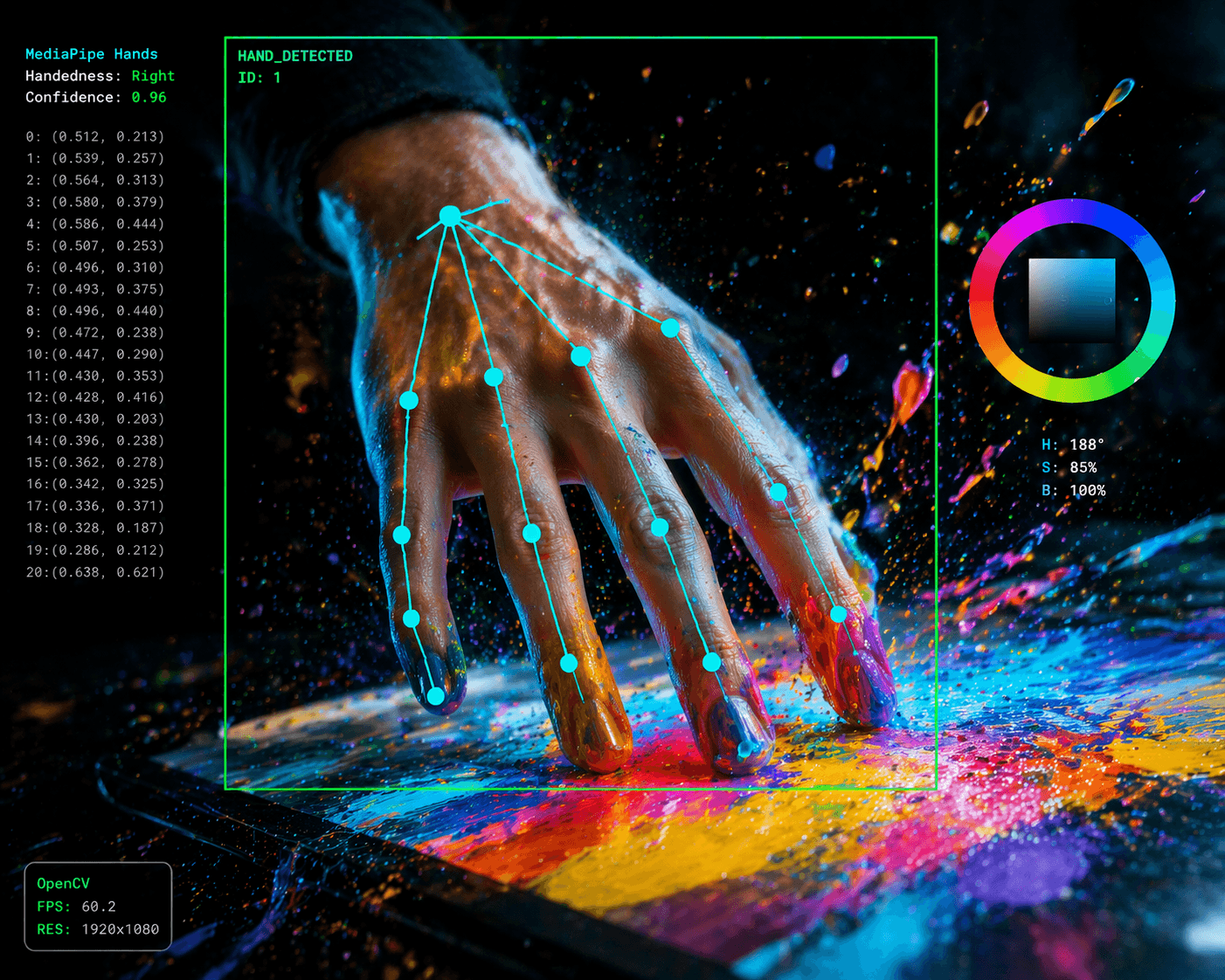
A gesture-controlled digital painting application that uses computer vision to turn hand movement into brush, color, and canvas controls.
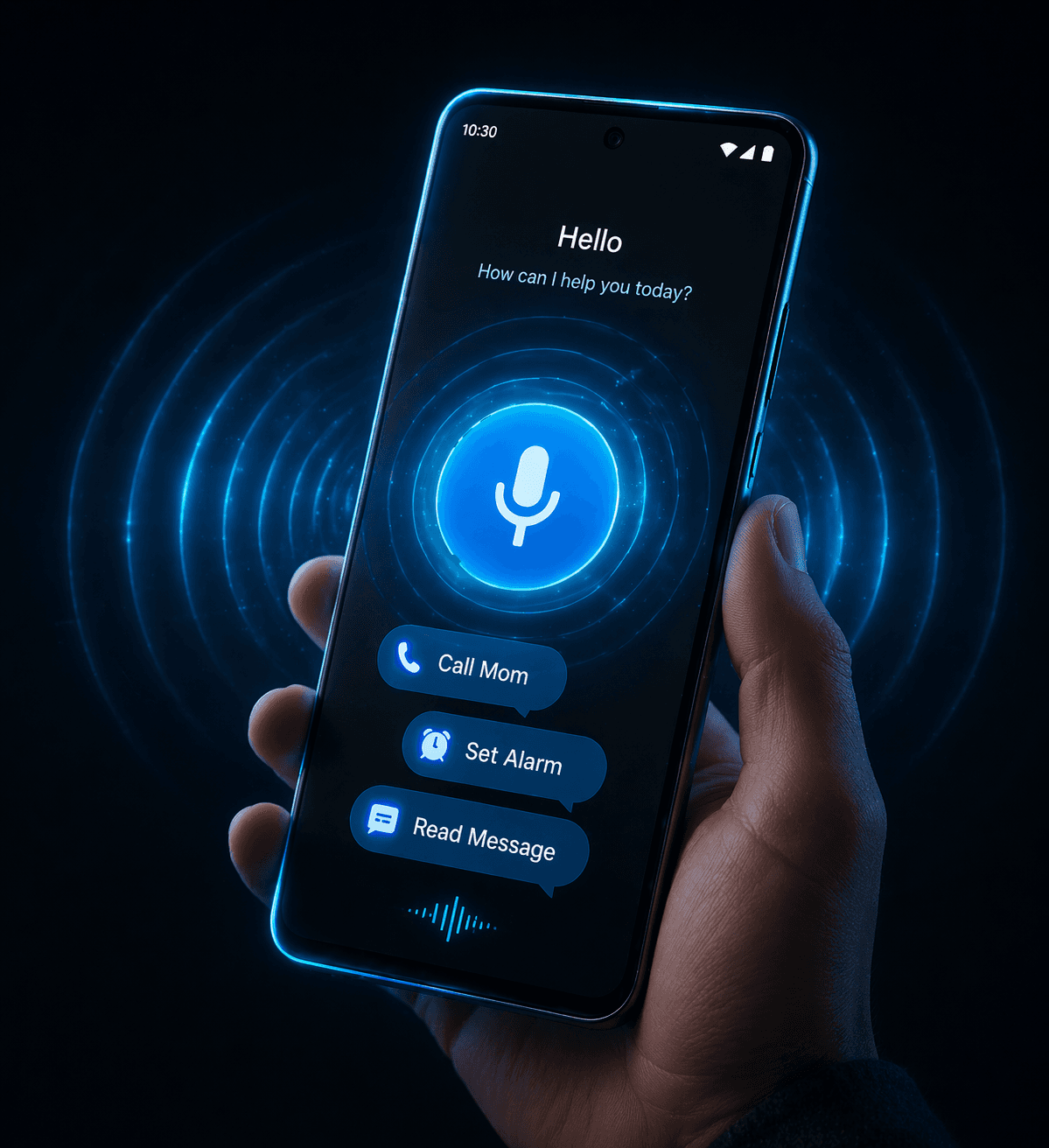
An Android voice-command app that helps visually impaired users handle calling, messaging, reminders, and daily productivity tasks independently.
Project 990
Engineering distributed LLM systems and production-grade full-stack infrastructure for large-scale nonprofit document intelligence, with a focus on pipeline reliability, trust and safety tooling, and secure cloud deployment.
Indiana University
Developed cross-platform AR/XR applications in Unity across mobile and headset devices, with a focus on spatial interaction, real-time rendering, and production-grade deployment reliability.
Indiana University
Taught real-time graphics, XR development, and software engineering practices to graduate students through technical mentorship, structured code reviews, and hands-on project guidance.
Oytie Learning IT Training Academy
Built and shipped a React + TypeScript learning platform while leading a 10-member team through frontend, backend, authentication, and delivery planning.
A focused map of the tools, platforms, and engineering systems behind the immersive products I build across XR, AI, data, and full-stack development.
UI frameworks, 3D web, and shader work
React / Next.js
TypeScript
Three.js
React Three Fiber
GLSL Shaders
Machine learning and language models
LangChain
Prompt Engineering
Multi-Agent Systems
TensorFlow
Scikit-learn
Languages across the full stack
Python
JavaScript
C#
Java
C++
R
Servers, APIs, and database systems
Node.js / Express
PostgreSQL
MongoDB
Redis
MySQL
Cloud platforms and DevOps tooling
AWS
Docker
Terraform
CI/CD
Headsets, AR runtimes, and spatial SDKs
Unity 6
Meta Quest / OpenXR
WebXR Device API
ARKit & ARCore
Dev tooling, version control, system design
Git
Linux
System Design
VS Code
UI frameworks, 3D web, and shader work
React / Next.js
TypeScript
Three.js
React Three Fiber
GLSL Shaders
Machine learning and language models
LangChain
Prompt Engineering
Multi-Agent Systems
TensorFlow
Scikit-learn
Languages across the full stack
Python
JavaScript
C#
Java
C++
R
Servers, APIs, and database systems
Node.js / Express
PostgreSQL
MongoDB
Redis
MySQL
Cloud platforms and DevOps tooling
AWS
Docker
Terraform
CI/CD
Headsets, AR runtimes, and spatial SDKs
Unity 6
Meta Quest / OpenXR
WebXR Device API
ARKit & ARCore
Dev tooling, version control, system design
Git
Linux
System Design
VS Code
ITiCSE 2026
Mitja Hmeljak et al.
Introductory Computer Graphics (CG) courses typically cover geometric modeling, illumination, and collision detection using graphics APIs or engines. However, traditional assignments rarely allow direct comparison between real-world spatial interaction and lighting with rendered scenes. This poster presents cross-platform Extended Reality (XR) coursework that expands introductory CG exercises by enabling object manipulation and lighting-aware rendering in real environments.
International Journal for Research in Applied Science and Engineering Technology
The paper introduces a solution for Alzheimer's disease detection through a Hybrid Machine Learning Approach. Additionally, we present a machine learning model system designed to reduce diagnostic time and improve accuracy, offering significant advancements in Alzheimer's disease identification.
What People
Are Saying
I first worked with Hardik in Fall 2024, when he was a student in the Advanced Computer Graphics course I teach in the Computer Science Department at Indiana University. He was among the top-performing students in the course, demonstrating a solid understanding of computer graphics, extended reality (XR), and software development using the Unity engine.
Based on his excellent performance, I offered Hardik the role as Teaching Assistant for the Advanced Computer Graphics and Interactive Graphics courses. In this role, he conducted weekly laboratory sessions, developed XR programming exercises, and worked closely with students to help them understand advanced graphics and XR concepts through practical software development. He was consistently reliable, proactive, and effective in communicating technically challenging material.
Hardik later completed an independent study under my supervision, investigating and implementing cross-platform XR functionalities using Unity and AR Foundation, evaluating platform-specific capabilities and limitations, while developing practical software solutions and reusable instructional material for mobile and head-mounted XR platforms. Throughout the project, he demonstrated strong analytical ability, independent initiative, and software engineering skills. His work contributed directly to course material for subsequent offerings, and our collaboration resulted in a peer-reviewed conference poster.
Having worked with Hardik as a student, Teaching Assistant, and independent study researcher, I have consistently found him to be technically strong, reliable, and thoughtful in his approach to software development. He communicates complex technical ideas clearly, works effectively both independently and as part of a team, and approaches challenging engineering problems methodically. I recommend him without hesitation for opportunities involving computer graphics, XR/AR, and cross-platform interactive software development.
Mitja Hmeljak
Senior Lecturer · Indiana University
Got a breakthrough project idea, a contract opportunity, or just want to talk spatial computing? I am always excited to connect with visionary builders and studios to shape the future.